Times Square
ZAZ10TH, New York
350,000 spectators
Beacons, Intervals
334 m² LED screen
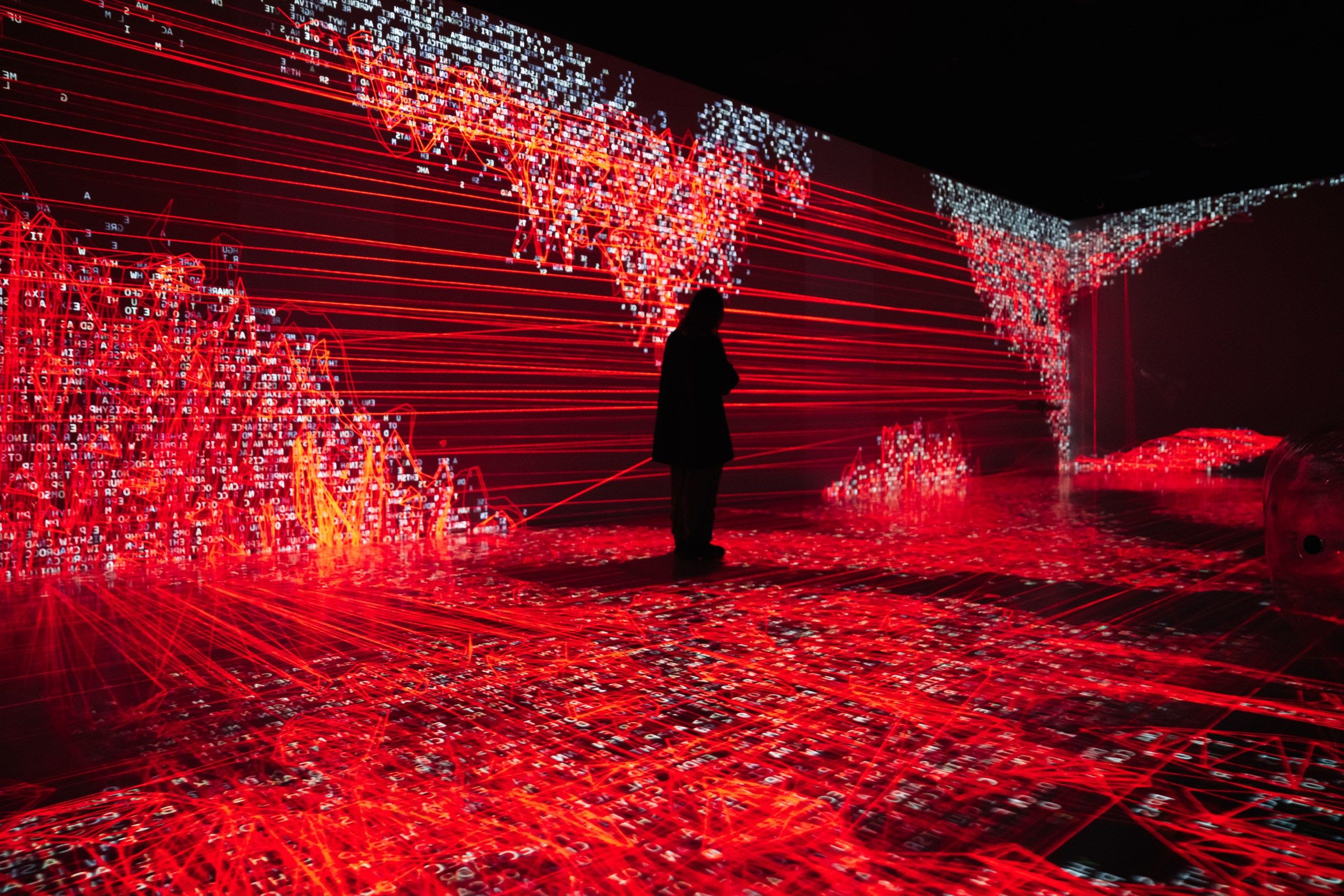
semantic anomaly
Featured Works
Biography
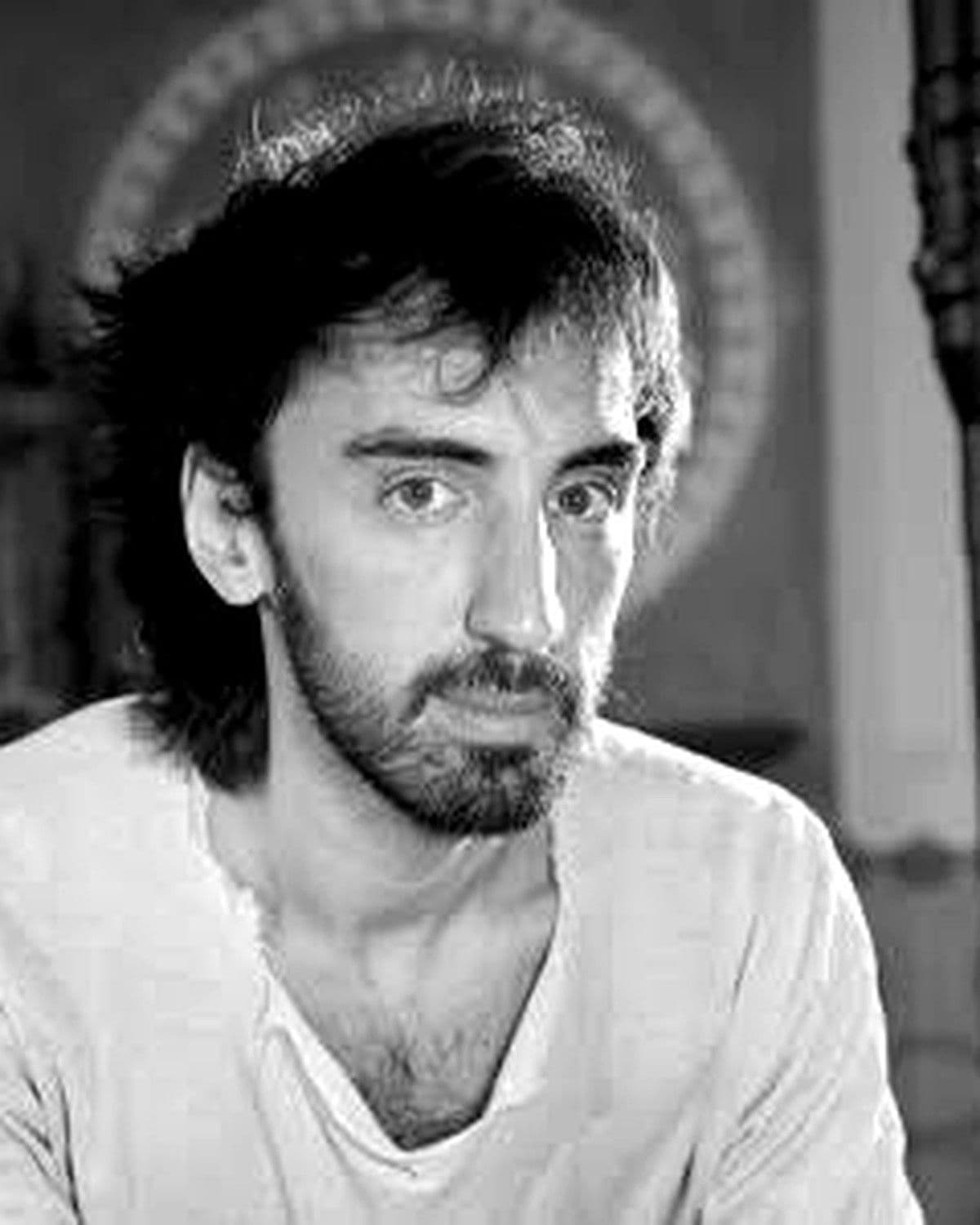
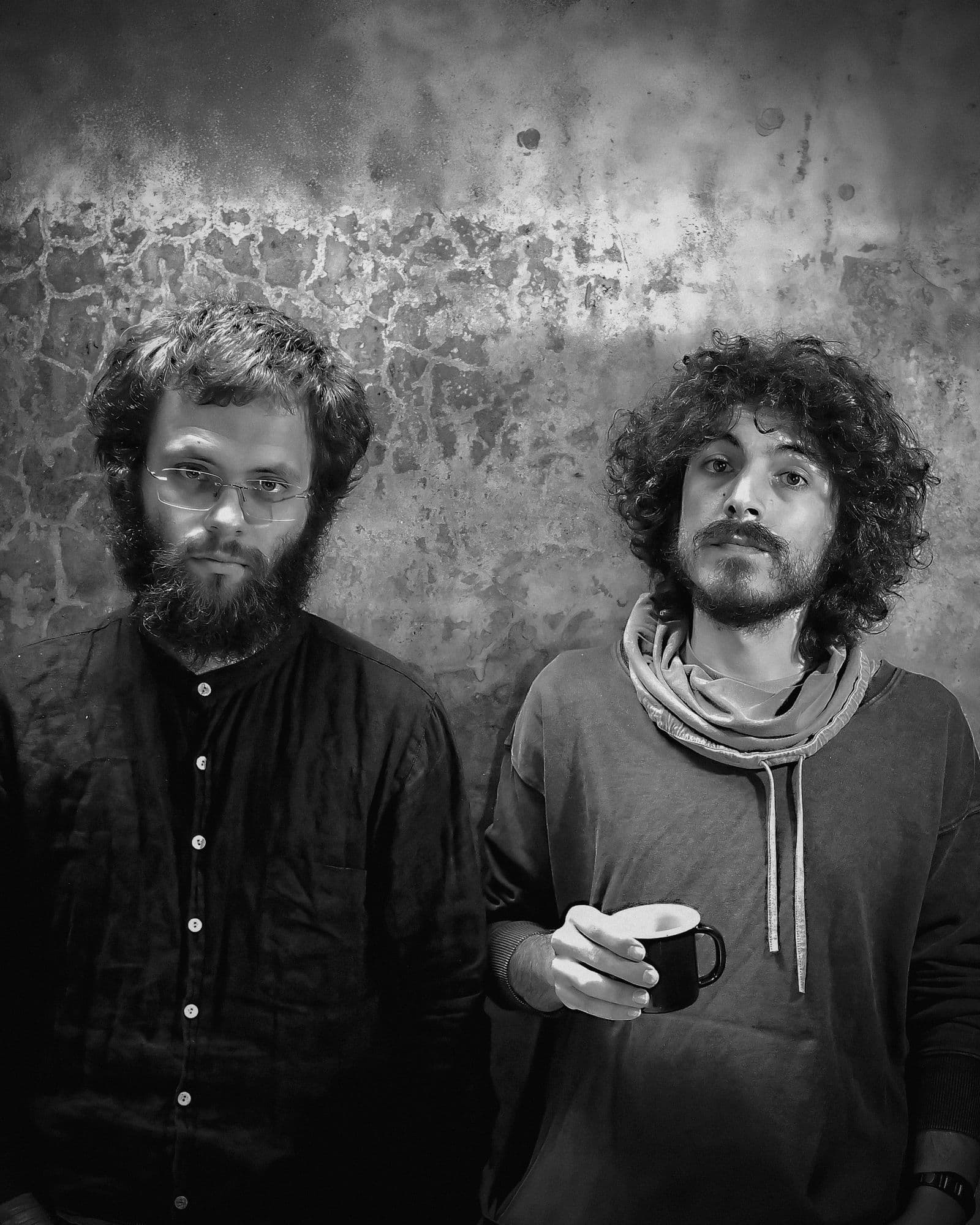
Sasha Kojjio creates audiovisual installations and environments, working across a broad range of media: light, laser, video, sound and kinetics. At the core of each work lies a system written in code: a custom algorithm that sets the logic and physics of how light and objects move through space. Within these systems Kojjio searches for fragile points — places where a mathematical formula opens into unexpected beauty, where a set of data reveals patterns that did not exist before. His method is the fracturing of his own structures: through spontaneous gestures, the substitution of parameters and the errors that surface along the way, he lets chance and the unconscious into the work. This is how the human enters a strict algorithm, and what ultimately holds the work together.
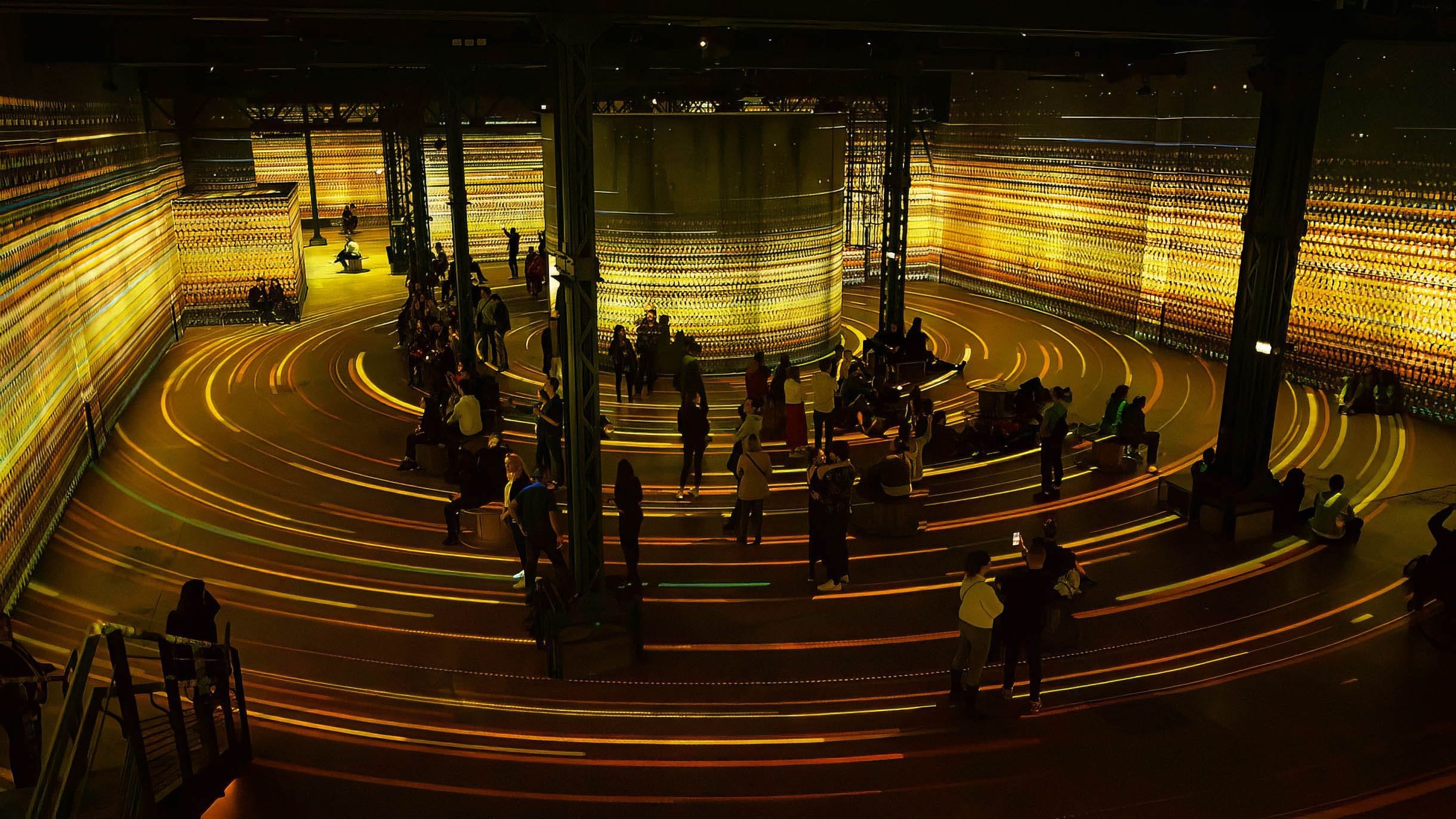
The viewer steps into these spaces and takes their physics apart layer by layer; the rules of movement shift, and the feeling of the environment shifts with them. Kojjio's works are dream-like and hypnotic, and can be watched endlessly: behind the mathematical precision that pleases the eye there is always something alive — a movement, a glitch that holds attention and gives rise to emotion. The sensations he is after, Kojjio does not attempt to describe; they are new, appearing in the process. He follows the response, keeps what resonates and leaves interpretation to the audience.
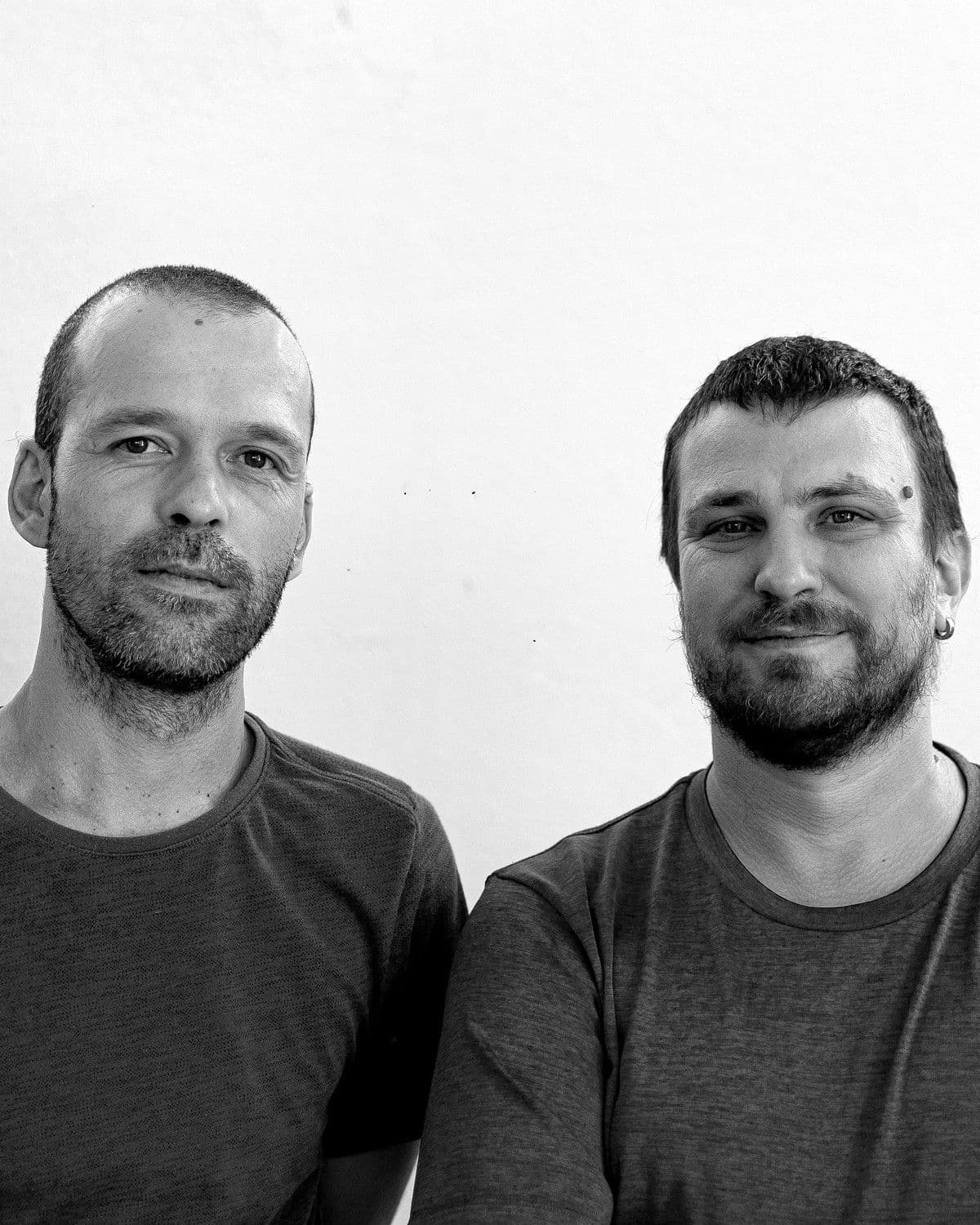
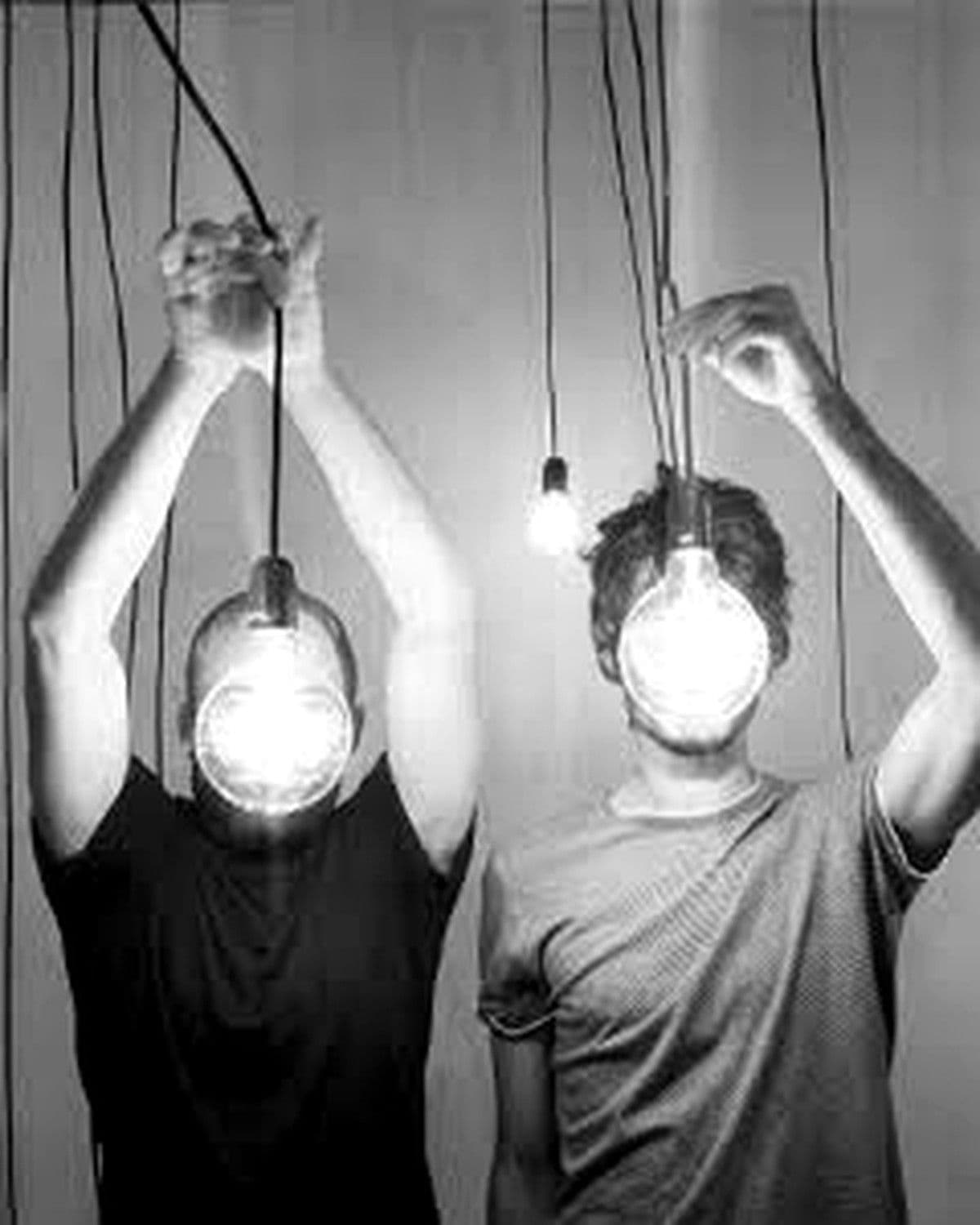
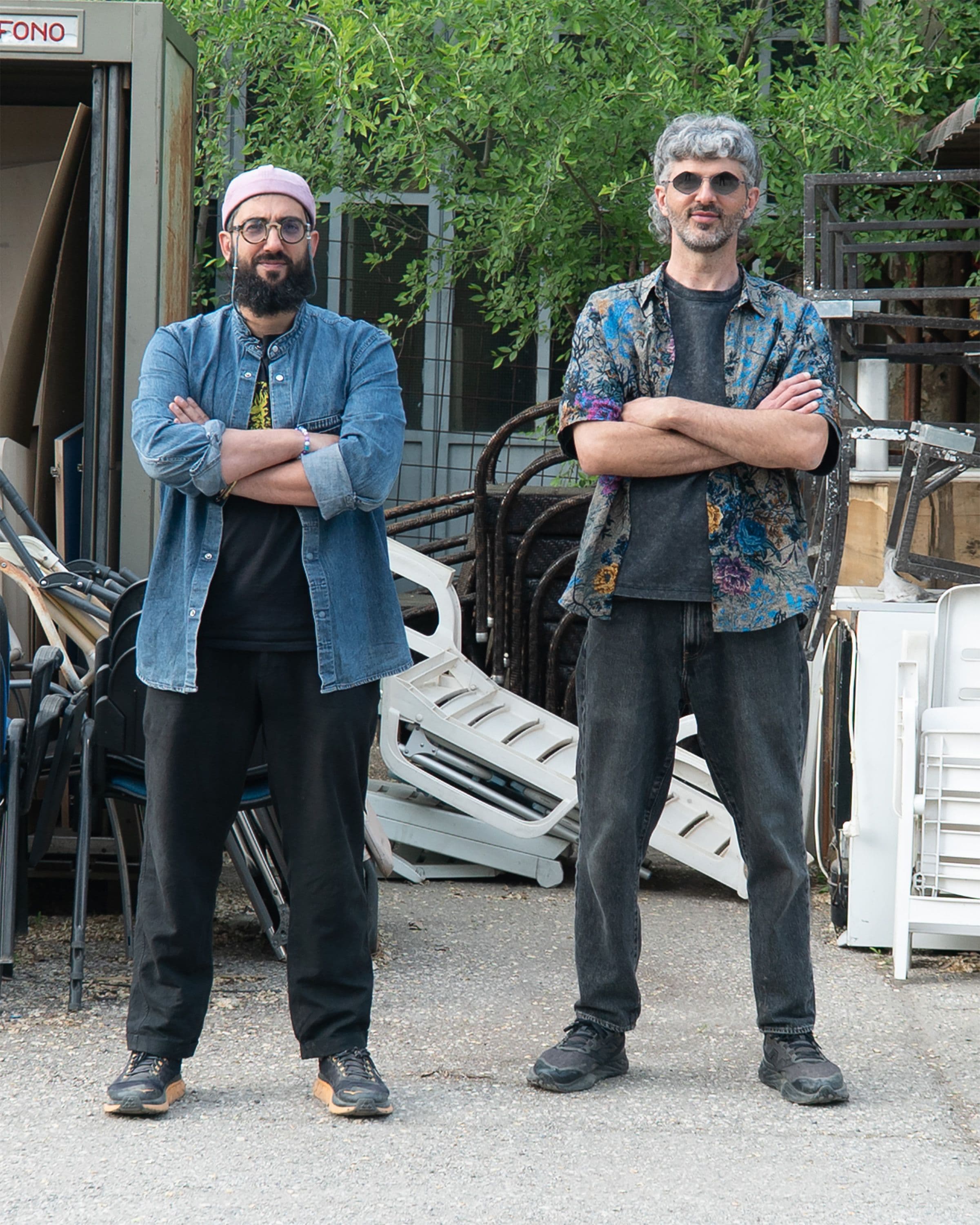
Sasha Kojjio is a Barcelona-based media artist and the co-founder and director of the studios media.tribe and metanoeia. Through media.tribe, founded with producer Alisa Davydova and sound designer Alexander Medvedev, he develops collaborative audiovisual projects shown at international digital art festivals across the Americas, Europe and Asia — among them INTERVALS in Nizhny Novgorod, NUR and LICHTROUTEN in Lüdenscheid. In 2020 his generative work Feather was presented on the ZAZ10TS screen at 10 Times Square, New York.
Practice
Kojjio's practice begins with a system rather than an image. Each work is built on a custom algorithm that defines the logic and physics of a space — how light travels, how objects move, how a structure assembles and comes apart. Lasers, LED surfaces, projection, kinetics and multichannel sound are the instruments through which that system becomes spatial.
What distinguishes the work is what he does to the system afterwards. Parameters are substituted, gestures are introduced by hand, and errors are allowed to surface and stay. In hypnotrohoid a deliberate fault in the code breaks an otherwise perfectly symmetrical mathematical function; in semantic anomaly, sorting algorithms are driven past their limit until conventional logic collapses into visual chaos. The flaw is not tolerated but sought: it is where the human enters a strict procedure.
The subjects those systems are pointed at are concrete. Beacons translates ocean waves, shifting dunes and the formation of mountain ranges into real-time light animation across ten pillars standing in a birch grove. adrift simulates the fracture and melt of glaciers across a monumental LED screen, every pixel handled as a particle. Kojjio does not attempt to describe the sensation he is working towards — he follows the response, keeps what resonates, and leaves interpretation to the audience.
MOLTEN Perspective
Most artists working with generative systems present the system's competence: the elegance of the rule, the fluency of the output. Kojjio is unusual in presenting its failure. The algorithm is written with real rigour and then deliberately damaged, and it is the damage that carries the work: the tremor across flawless geometry, the sorting routine pushed until meaning collapses. That inversion is what makes the practice worth watching rather than simply worth looking at.
It also gives the work an unusual range of scale. The same method holds a birch grove in Nizhny Novgorod, a 10.5-metre LED wall in a biennale of ecological art, a laser sculpture drawn from the architecture of the room it occupies, and a screen on the corner of Times Square. Because the structure is derived from the site rather than imposed on it, each installation resolves differently in each space, a quality commissioners frequently want and rarely get from touring digital work.
Within the MOLTEN network Kojjio marks a position the field has been slow to articulate: that computational art becomes emotionally legible precisely where it stops being perfect. His work is a useful reference point for commissioners looking for generative systems that carry feeling as well as precision.
Explore the Artist
Themes
Perception · Light · Sound · Systems & Complexity · Science & Mathematics · Data · Time · Transformation · Climate · Nature & Technology · Nature
Commissioning Information
Suitable for — Museum & Exhibition Contexts · Gallery Contexts · Cultural Institution Commissions · Immersive Exhibitions · Light Festivals · Festivals · Public Art Commissions · Performing Arts Venues · Corporate & Brand Commissions · Brand Experiences · Corporate Collections · Hospitality & Luxury Environments · Advisory & Consultancy Engagements · Educational Programs
Industries — Arts & Culture · Museums · Festivals · Public Realm · Architecture · Performing Arts · Music · Technology · Hospitality · Luxury · Tourism · Property Development · Healthcare
Project Types — Commission · Exhibition · Festival · Temporary Installation · Permanent Installation · Touring Work · Public Art Program · Public Program · Live Audiovisual Performance · Interactive Experience · Projection Mapping · Architectural Artwork · Kinetic Sculpture · Fulldome Work · Consultancy · Workshop · Educational Program
Interested in working with Sasha Kojjio?
Tell us about your project. We'll review the context, timeline, budget and site before making an introduction.