Featured Works
Biography
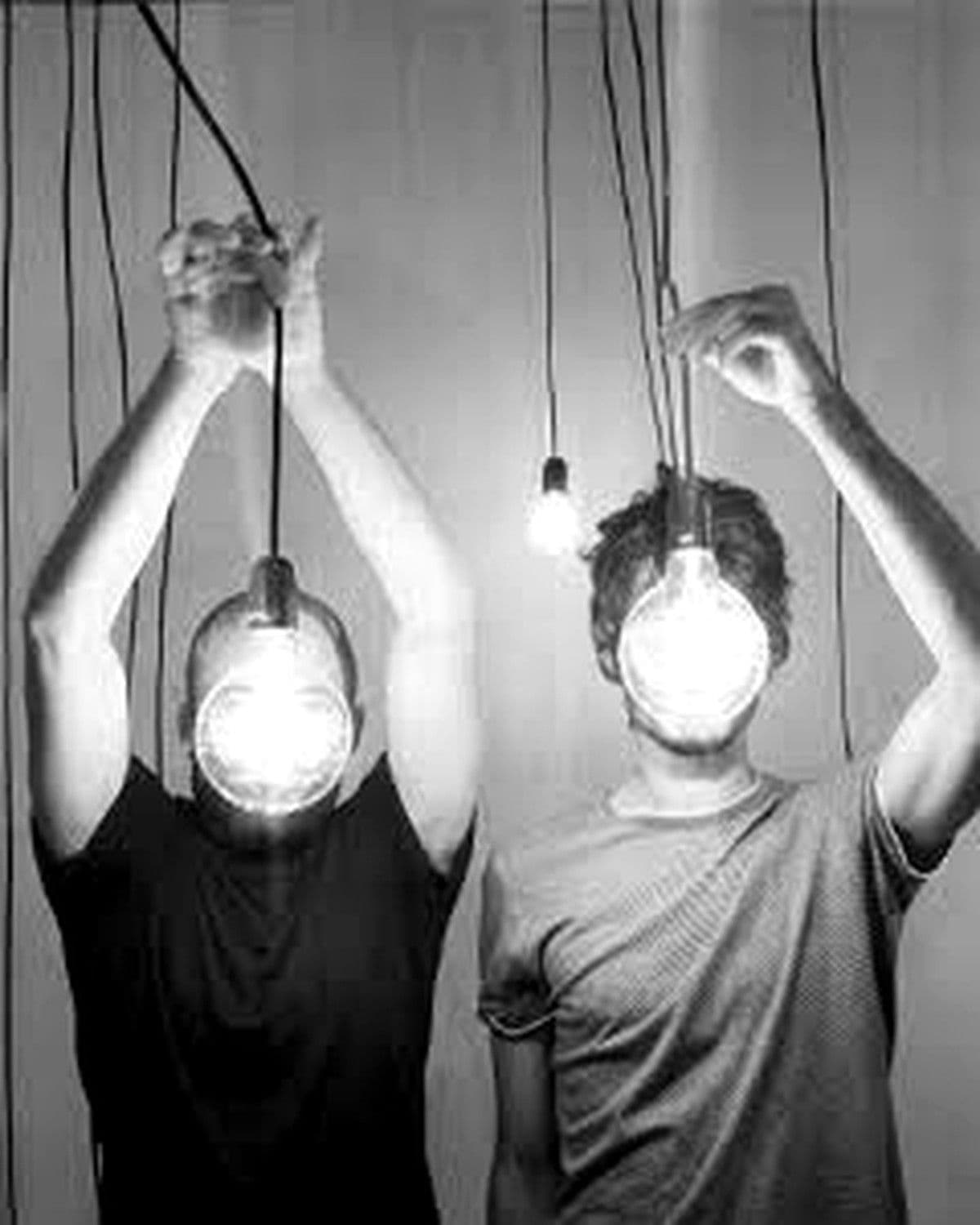
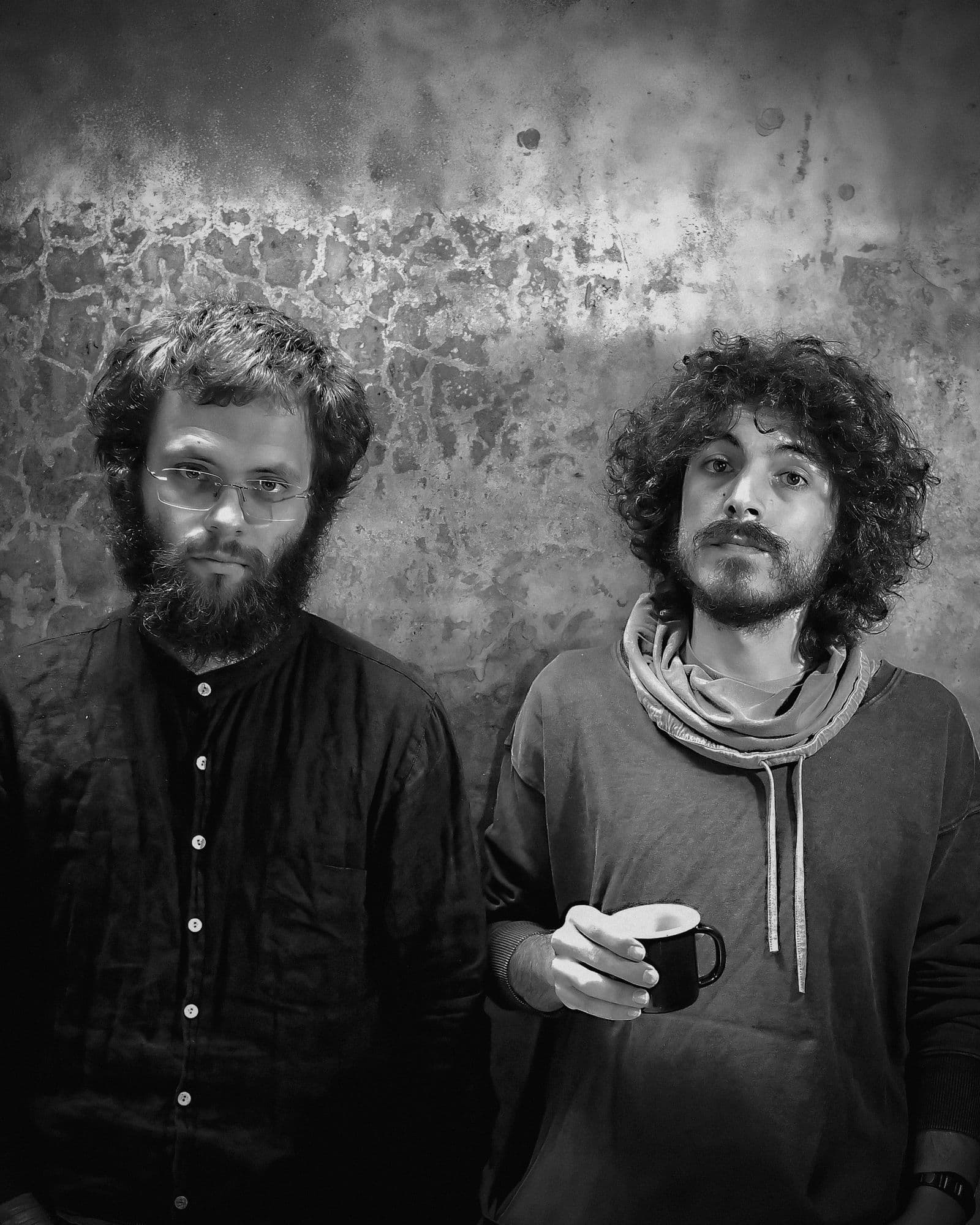
Liminal State is a Rome-based studio founded by architects and audiovisual artists Gregorio de Luca Comandini and Saverio Villirillo. Both previously worked within the NONE collective before establishing the studio, where they create environments in which light, sound, darkness and spatial design reshape perception. Their installations guide audiences through shifting states between the physical and digital, control and emergence, material and immaterial.
Working across installation, performance, moving image and interactive systems, Liminal State examines relationships between humans, machines and ecosystems. Artistic research, scientific inquiry and critical media theory inform projects that investigate perception, sustainability and the social and political consequences of technological infrastructure.
Alongside its artistic practice, the studio develops major cultural exhibitions and installations. Its projects include MIAC, the Italian Museum of Audiovisual and Cinema, and Copernicus and the Revolution of the World at the Colosseum Archaeological Park in Rome. Liminal State's work has also been presented at Somerset House in London, Fukuoka Science Museum, Light Art Museum Budapest and Palazzo delle Esposizioni in Rome.
Practice
Liminal State approaches each work as a sequence unfolding over time rather than as a single image. Working with light, darkness, sound, mist, heat and airflow, the duo choreographs spatial environments through rhythm, anticipation, repetition and sudden transformation. Every element is precisely calibrated: the intensity of a light, the entrance of a sound, the movement of fog and the moment an atmosphere shifts.
Rather than telling linear stories, the practice constructs perceptual conditions that unsettle familiar ways of seeing and orienting. Scientific research, critical inquiry and hands-on experimentation inform each project, particularly in relation to perception, technological infrastructure, energy and environmental systems. Installations and performances are conceived as collective experiences in which audiences move through the work together and become part of its temporal and spatial dynamics.
MOLTEN Perspective
Liminal State treats darkness and restraint as materials, not as gaps to fill. Where much immersive work competes for attention by adding more light and sound, the duo strip an environment back until small changes carry real weight. For a museum or festival, that makes them a strong choice when the aim is an experience people remember and talk about, rather than a backdrop. Their exhibition work for institutions such as the Colosseum Archaeological Park also shows they can hold a serious cultural brief, not only an art-world one. The result is immersive art with genuine depth: environments that give audiences something to feel and think about at once.
Explore the Artist
Themes
Perception · Transformation · Nature & Technology · Myth & Storytelling · Human Connection · Time
Commissioning Information
Suitable for — Immersive Exhibitions · Performance Venues · Festivals · Cultural Institution Commissions · Museum & Exhibition Contexts · Gallery Contexts · Light Festivals · Public Art Commissions
Industries — Arts & Culture · Museums · Festivals · Government · Education · Public Realm
Project Types — Exhibition · Commission · Temporary Installation · Performance · Consultancy
Interested in working with Liminal State?
Tell us about your project. We'll review the context, timeline, budget and site before making an introduction.