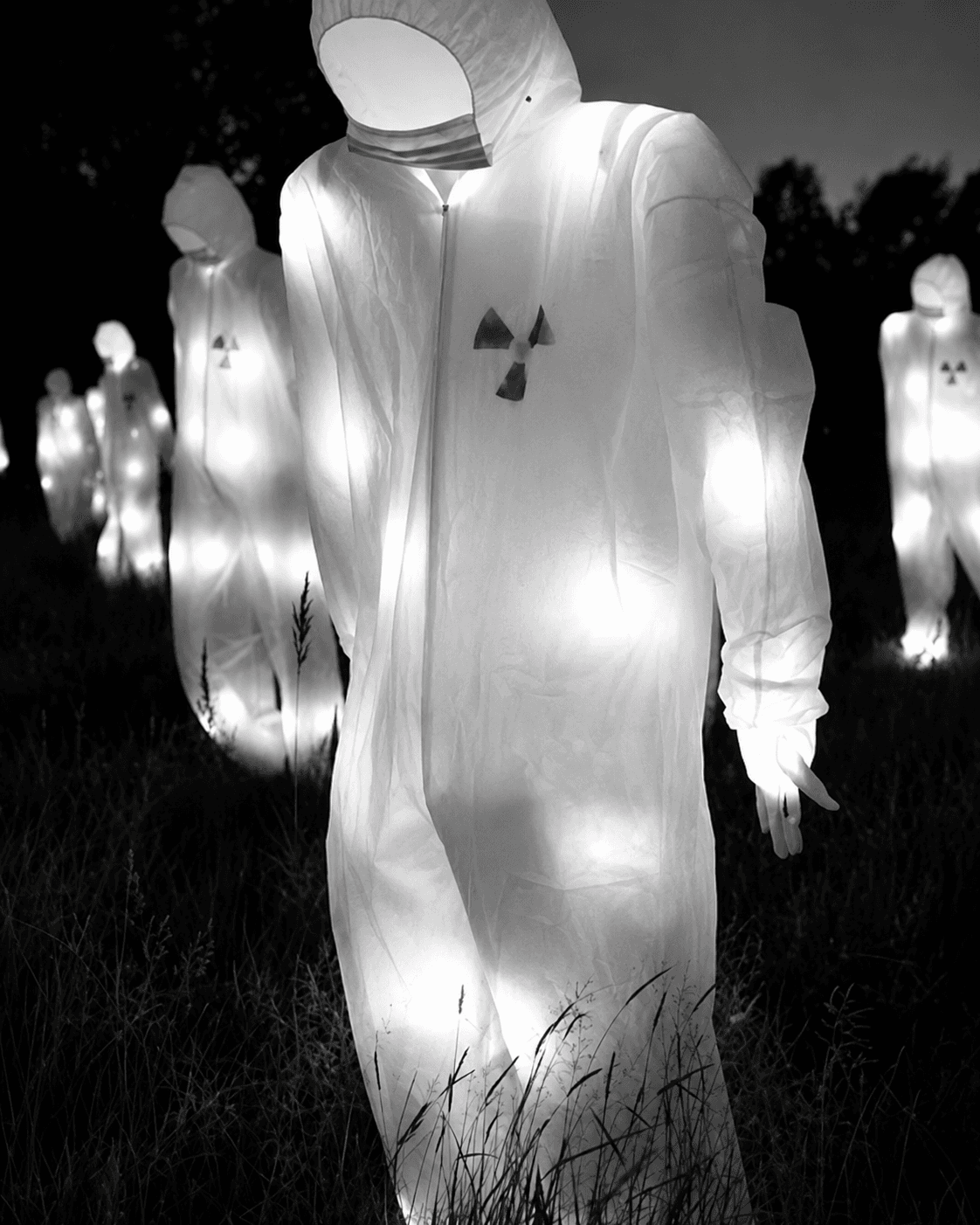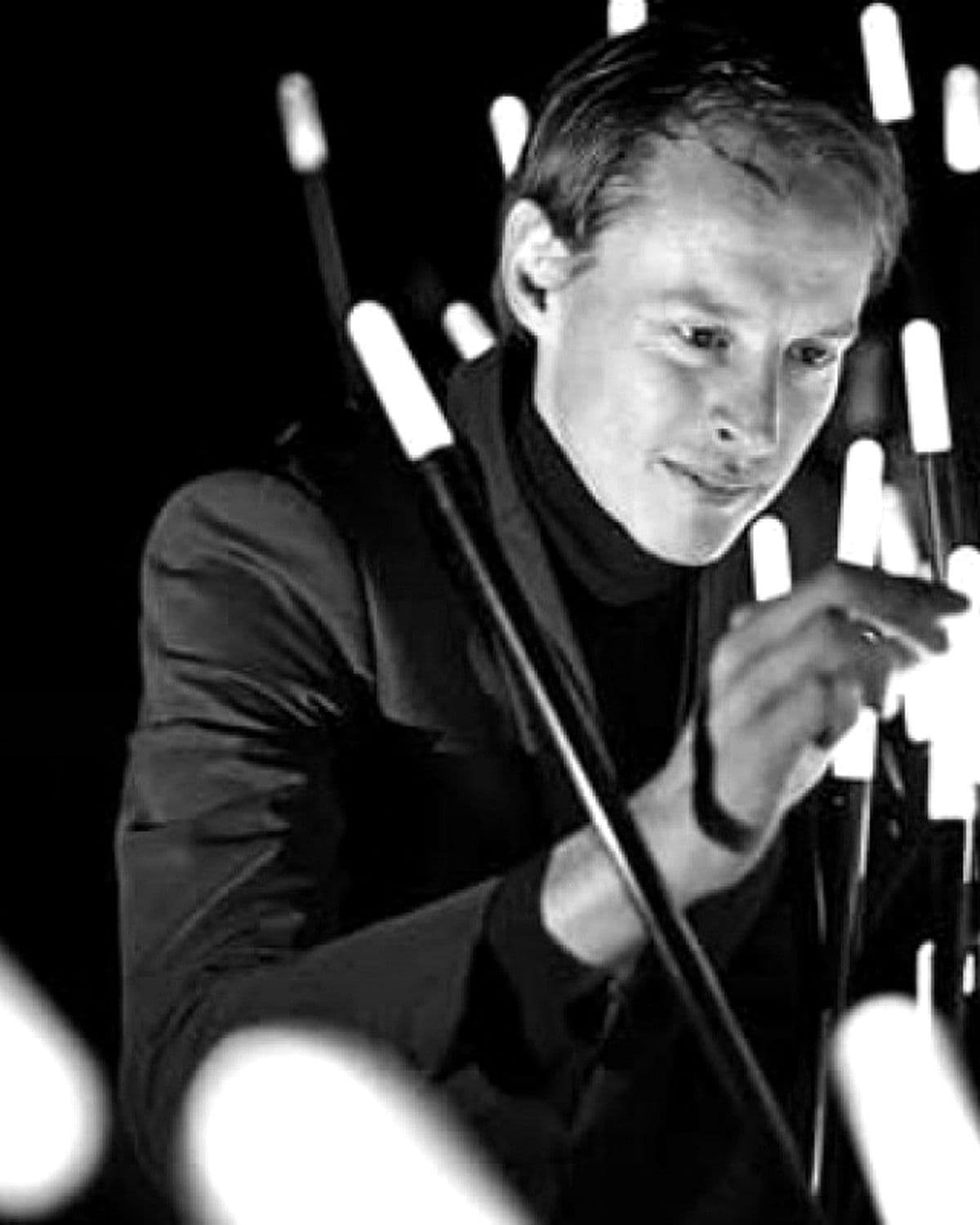
Inselspital Bern
Permanent commission — 2023
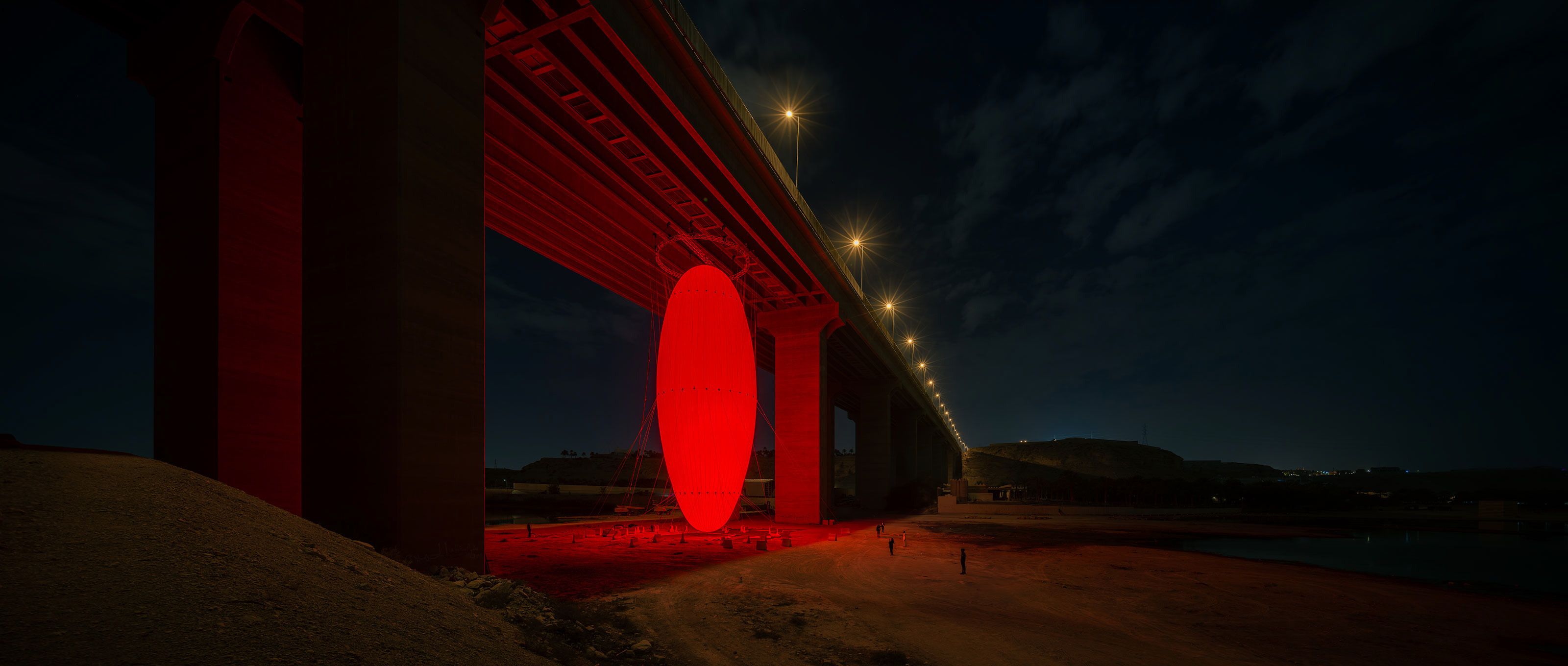
Noor Riyadh
Riyadh — 2024
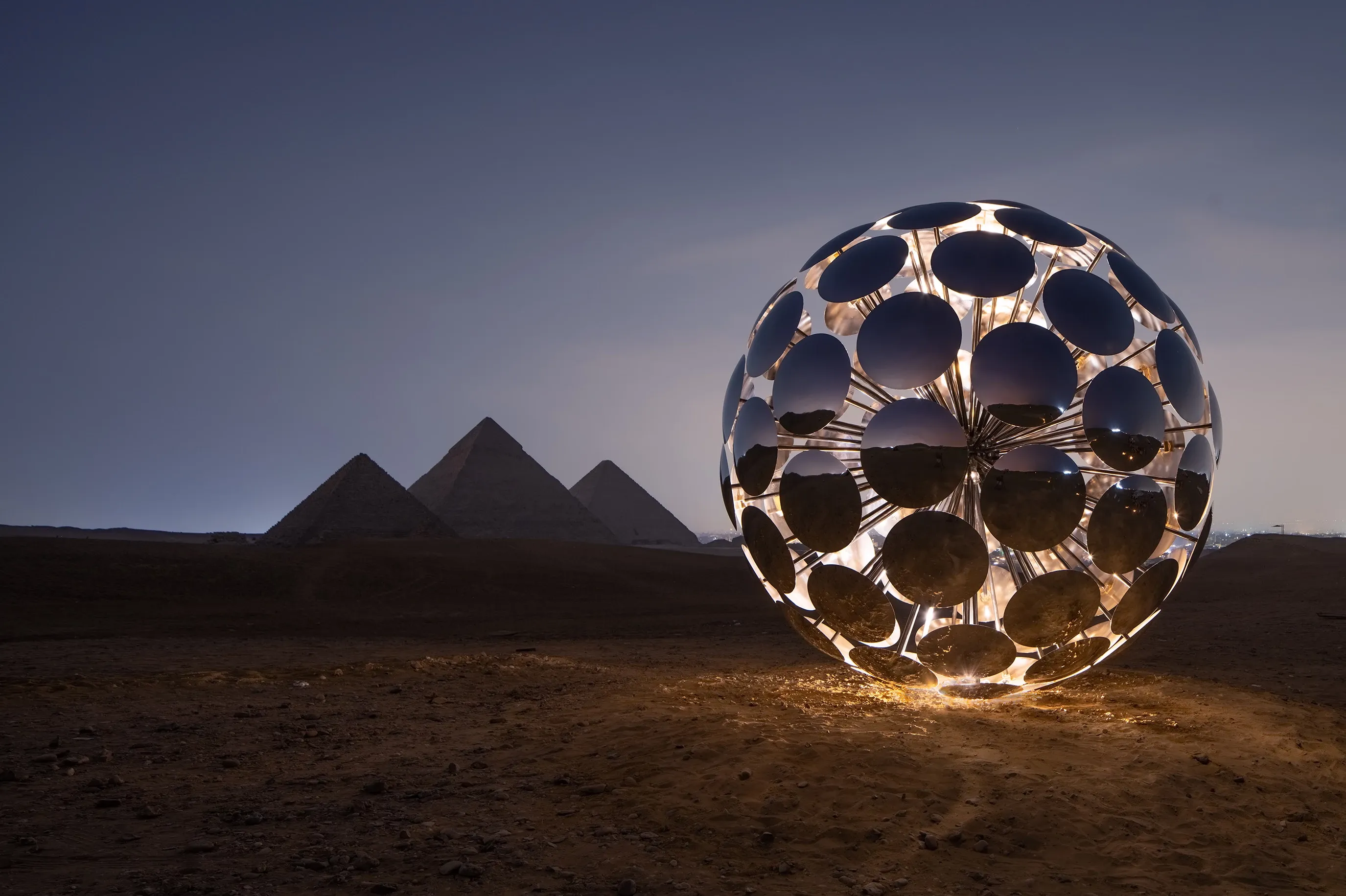
Giza Pyramids
Forever Is Now II — 2022
Featured Works
Biography
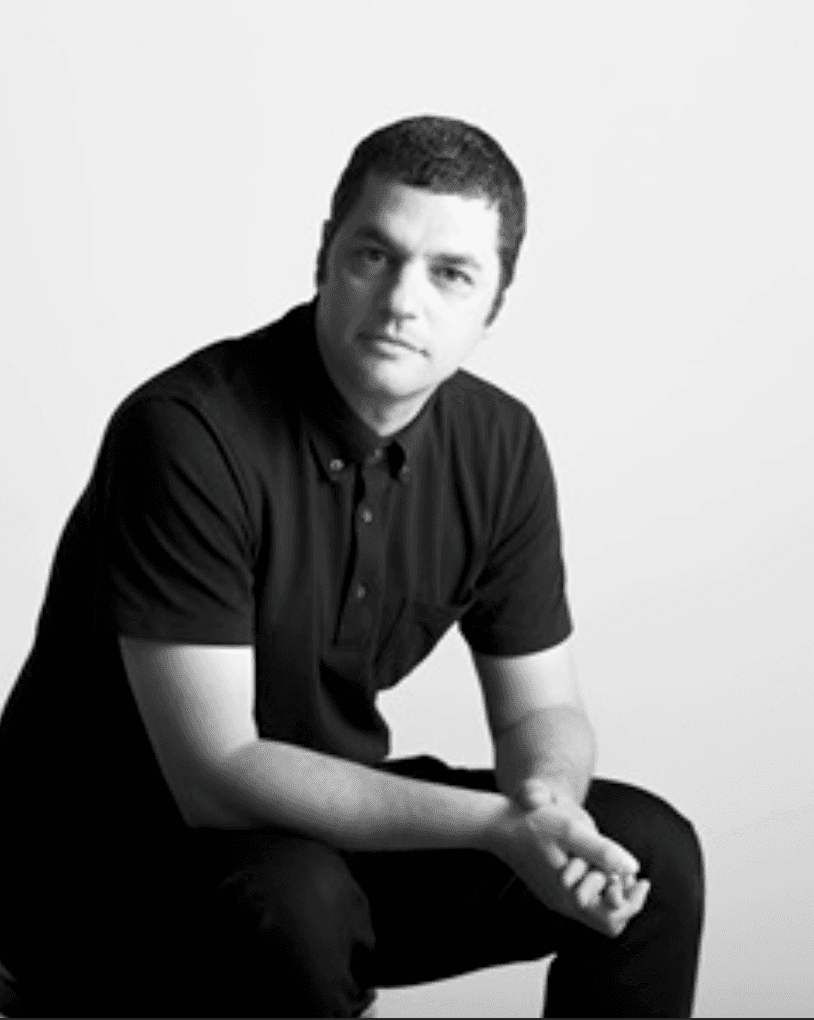
SpY is a Spanish artist whose practice explores the relationships between space, time, movement, and perception through sculptures, installations, and public artworks presented in cities around the world.
In his early work, SpY developed an artistic language centred on the transformation of the urban environment, using the city both as a physical context and as a medium for investigation, with the intention of altering the conventional perception of public space.
Over the years, his practice has evolved towards increasingly sophisticated large-scale sculptures and installations, in which SpY engages viewers as active participants in the artistic process, conceiving the space of art as a site of transformation where new forms of observation, behaviour, and collective reflection can emerge.
SpY conceives and produces his artistic projects through SpY Studio. The studio is both a space for artistic research and a laboratory bringing together an eclectic team of specialists, recognised for its ability to realise singular artistic experiences.
Practice
At the core of his work lies an investigation into perception. Using elementary geometric forms—spheres, rings, monoliths, suspended volumes, grids, and modular structures—SpY creates works of striking visual clarity that conceal a sophisticated conceptual and technical complexity. Rather than functioning as isolated objects, his sculptures establish a dialogue with their surroundings, responding to architecture, landscape, light conditions, circulation, and cultural context. Every project is conceived specifically for its location, allowing each work to develop a unique identity while remaining part of a coherent artistic language.
Movement plays a fundamental role throughout his practice. Many of his sculptures incorporate carefully engineered kinetic systems that generate slow, almost imperceptible motion. These subtle transformations introduce time as an active sculptural material, encouraging prolonged observation rather than immediate spectacle. As viewers move around the work—and as the work itself moves in response to programmed mechanisms or natural forces—the visual relationships continuously evolve, creating an experience that is never exactly the same twice.
Light constitutes another essential dimension of SpY's artistic vocabulary. His light installations use illumination not simply as a visual effect but as a sculptural medium capable of redefining architecture and atmosphere. Carefully choreographed sequences of light interact with movement, colour, material, and space to generate immersive environments that transform public spaces after dark. Whether integrated into kinetic sculptures or developed as independent installations, light becomes a vehicle for altering perception and creating emotional resonance.
Materiality is equally central to his work. Stainless steel, aluminium, natural stone, translucent materials, mirrors, and industrial finishes are selected not only for their structural performance but for their perceptual qualities. Reflective surfaces dissolve the boundaries between sculpture and environment, incorporating architecture, landscape, sky, and visitors into the artwork itself. Rather than existing as autonomous objects, the sculptures become dynamic interfaces that continuously absorb and reinterpret their surroundings.
MOLTEN Perspective
SpY has become one of the defining figures of contemporary public art by resolving considerable technical complexity into gestures that read as simple. The engineering is carried far enough that it stops being visible: what reaches the visitor is a clear spatial form and the shift in perception it produces, arrived at without visual excess.
That distinction matters. Visual simplicity is not technical simplicity, and the economy of gesture this practice is known for is a result rather than a starting point. Minimal alterations generate profound shifts in perception, allowing architecture, infrastructure and landscape to become active participants in the work rather than its setting. Rather than imposing a narrative on a place, SpY creates the conditions for people to construct their own relationship with it.
Within the MOLTEN network, SpY represents an essential perspective on public art as spatial experience. His work demonstrates that immersion is not defined by technology alone, but by the capacity to reshape perception, activate participation and transform how people collectively inhabit the spaces they share.
Explore the Artist
Themes
Urban Experience · Public Space · Perception · Participation · Scale · Architecture · Play · Transformation · Human Connection · Light · Movement · Time · Geometry & Pattern
Commissioning Information
Suitable for — Public Art Programs · Cultural Strategy & Placemaking · Cultural Institution Commissions · Light Festivals · Biennales · Urban Regeneration · Architectural Commissions · Museum & Exhibition Contexts · Corporate & Brand Commissions · Heritage Sites
Industries — Public Realm · Arts & Culture · Government · Architecture · Festivals · Museums · Corporate · Technology · Entertainment · Healthcare
Project Types — Commission · Permanent Installation · Temporary Installation · Festival · Exhibition · Public Art Program · Kinetic Sculpture · Interactive Experience
Interested in working with SpY?
Tell us about your project. We'll review the context, timeline, budget and site before making an introduction.