2008
Founded in Madrid
15+ Years
Working in public space
40+ Volunteers
Typical large-scale build
Featured Works
Biography
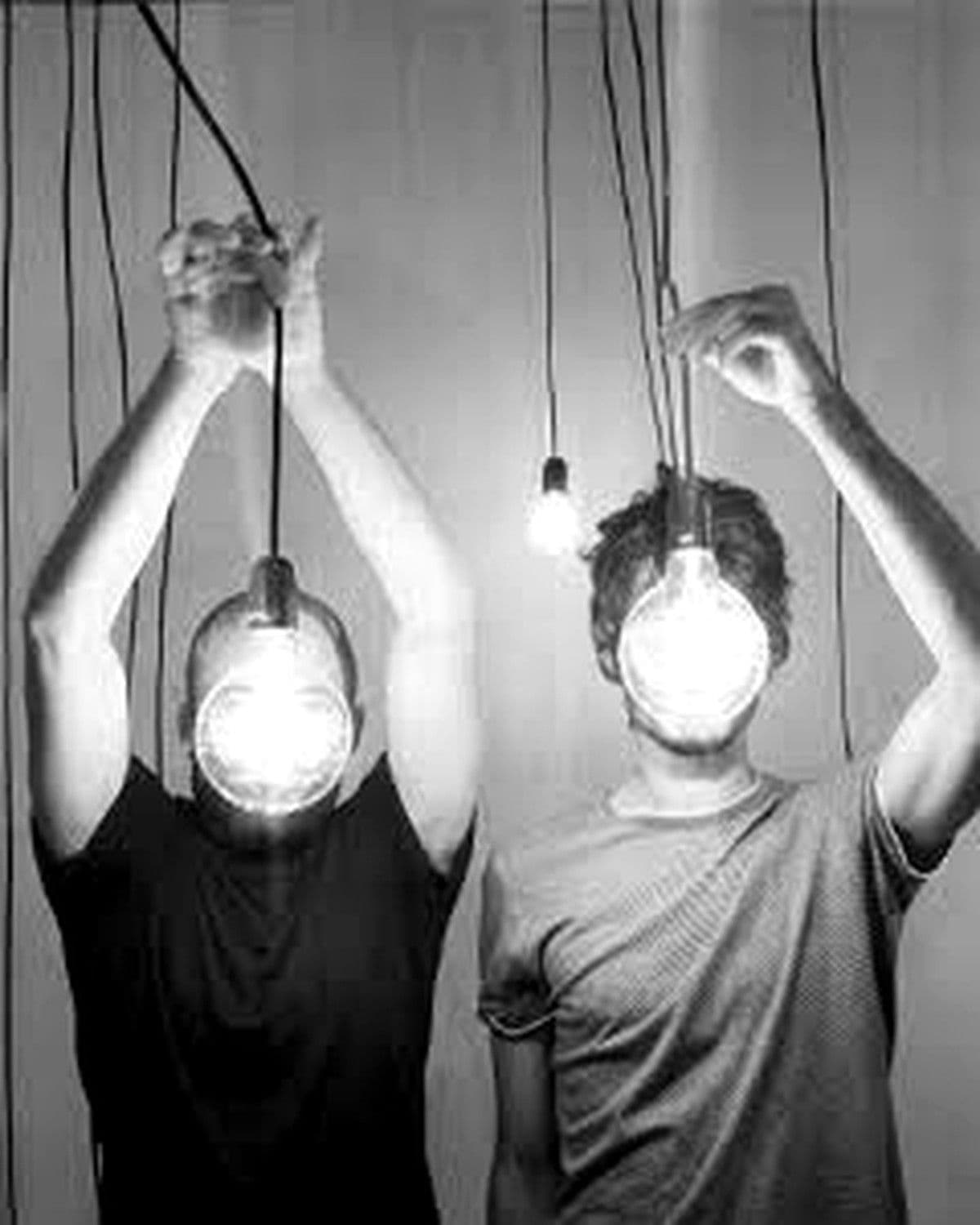
Luzinterruptus began in Madrid during the economic crisis of 2008, when its anonymous members took to the streets alongside other urban artists to leave luminous protest messages. Using low-cost materials, autonomous lights, discarded objects and recycled materials, they created interventions that surprised passers-by and invited public debate. Light was chosen for its visual impact and because it enabled ephemeral interventions with minimal physical impact on their surroundings: “light as raw material, night as canvas”.
The collective works in an artisanal way, choosing simplicity over technological display and describing themselves as artisans rather than artists. They illuminate ordinary objects from within, including plastic bottles, forgotten books, white paper and work clothes, transforming the discarded into the extraordinary to tell stories that matter and make visible what goes unnoticed. Guerrilla actions in Madrid continue alongside major commissions, while the practice remains guided by a strict decalogue: anonymity, free public access, working only with institutions and social or artistic organisations, travelling with no more than two members, producing locally with rented and recycled materials, and involving volunteers in collective production.
Their work has appeared at the Guggenheim New York for Contemplating the Void (2010), the Victoria and Albert Museum’s Winter Light Commissions (2010), Lumiere Durham (2013 and 2023), Lumiere London (2016), Nuit Blanche Toronto (2016), i Light Marina Bay Singapore (2018), Madrid’s Plaza Mayor (2018), LuzMadrid (2021 and 2026), Ghent Light Festival (2022), Nuit Blanche Taipei (2022), Times Art Museum in Beijing and Chengdu (2023), Passages Insolites in Quebec (2023), the Palace of Caserta (2024), and Water Light Festival Brixen with On Blank Pages (2026), among many other presentations across Europe, Asia and the Americas.
Practice
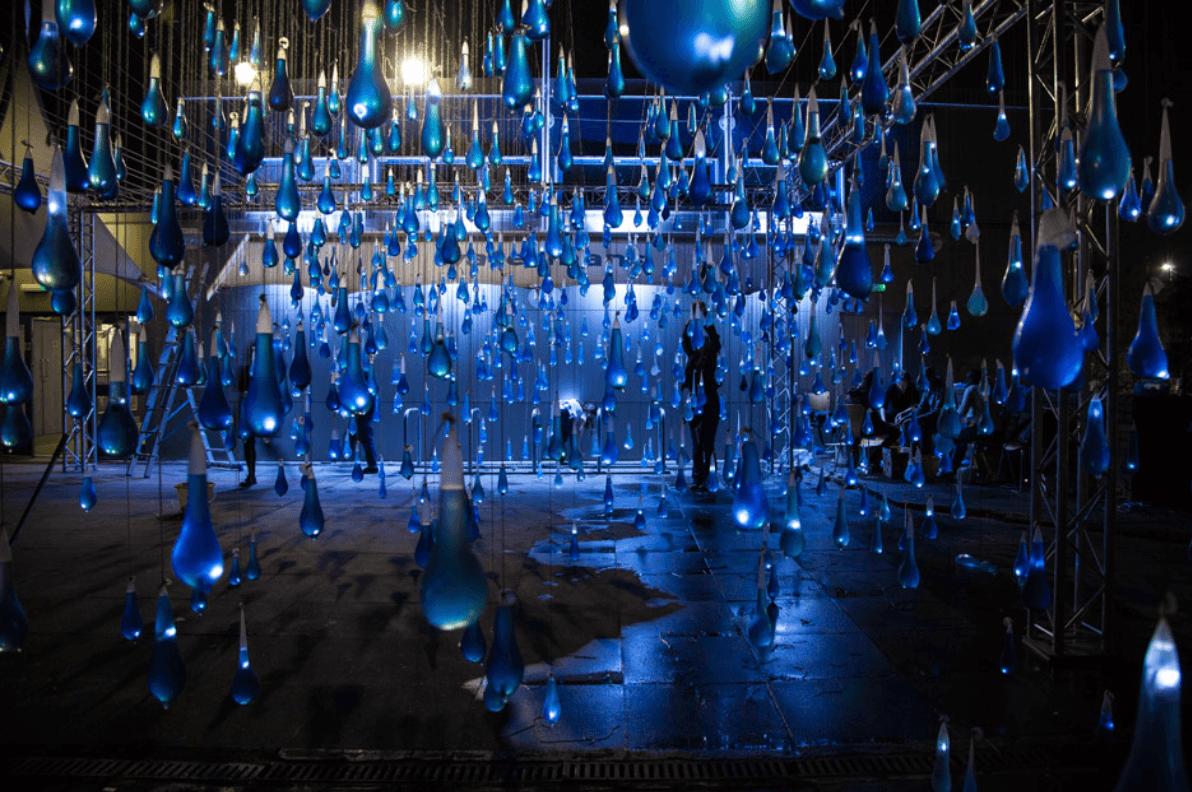
Luzinterruptus creates temporary public interventions that combine light, everyday materials and collective participation to reveal overlooked social and environmental realities. Streets, squares, rivers and façades become sites of poetic disruption, where reclaimed books, discarded plastics, clothing, paper and found objects are transformed into luminous installations that invite reflection on consumption, climate, inequality and the shared responsibilities of civic life.
Each project begins with a careful reading of its location, including its architecture, history and social context. Rather than transporting finished artworks around the world, the collective develops installations locally with cultural institutions, producers, volunteers and communities. Materials are sourced locally whenever possible and may be donated by residents and organisations. This approach allows each work to grow from the place in which it is presented while reducing the need to transport large quantities of material.
Participation is central to the practice and often begins before the public opening through workshops and collective production. Depending on the work, visitors might inhabit, touch, write upon, build, transform or help complete the installation. Materials may later be reused, donated or taken home, extending the project beyond its temporary presentation. For Luzinterruptus, the artwork encompasses not only the installation itself, but also the encounters, conversations and renewed awareness it generates.
Light is our tool, and the night is our canvas.
MOLTEN Perspective
Luzinterruptus demonstrates that some of the most powerful immersive experiences emerge from ideas rather than technology. While much contemporary light art is defined by increasingly sophisticated digital systems, the collective works with discarded materials, simple illumination and public participation to create installations that resonate because of their social and environmental relevance.
Their practice expands the possibilities of immersive public art by treating the city itself as both material and audience. Each installation temporarily transforms familiar urban spaces into places of shared reflection, encouraging communities to reconsider their relationship with consumption, waste, knowledge and the environment. By combining poetic visual language with civic engagement, Luzinterruptus has established a distinctive model for socially engaged light art, one where participation, sustainability and collective experience are inseparable from the artwork itself.
Explore the Artist
Themes
Public Space · Participation · Environment · Urban Experience · Human Connection · Time · Community · Ephemerality · Transformation
Commissioning Information
Suitable for — Light Festivals · Public Art Commissions · Civic & Public Realm Projects · Cultural Institution Commissions · Museum & Exhibition Contexts · Gallery Contexts
Industries — Arts & Culture · Government · Museums · Education · Public Realm · Festivals
Project Types — Festival · Temporary Installation · Commission · Public Program · Workshop · Public Art Program
Interested in working with Luzinterruptus?
Tell us about your project. We'll review the context, timeline, budget and site before making an introduction.