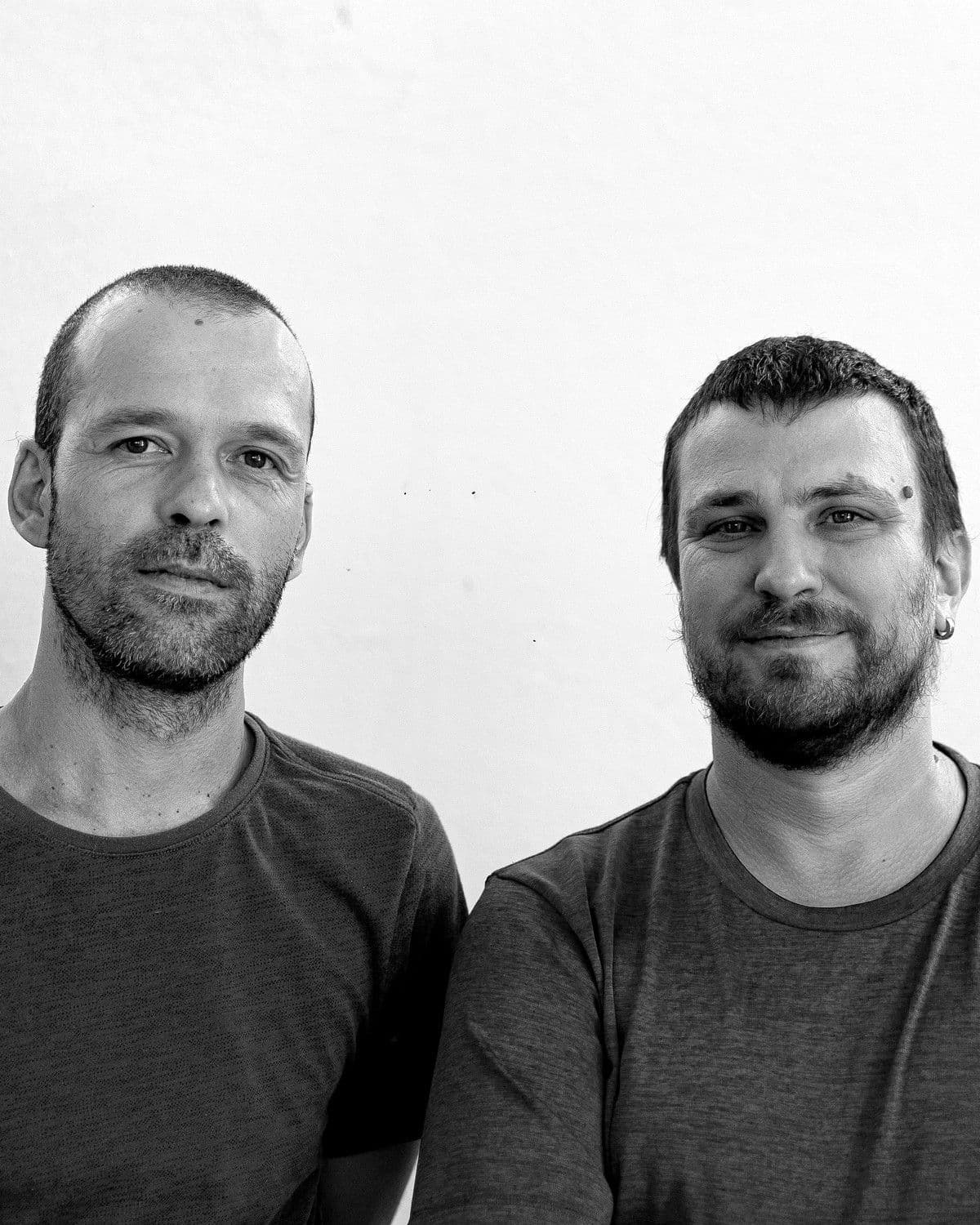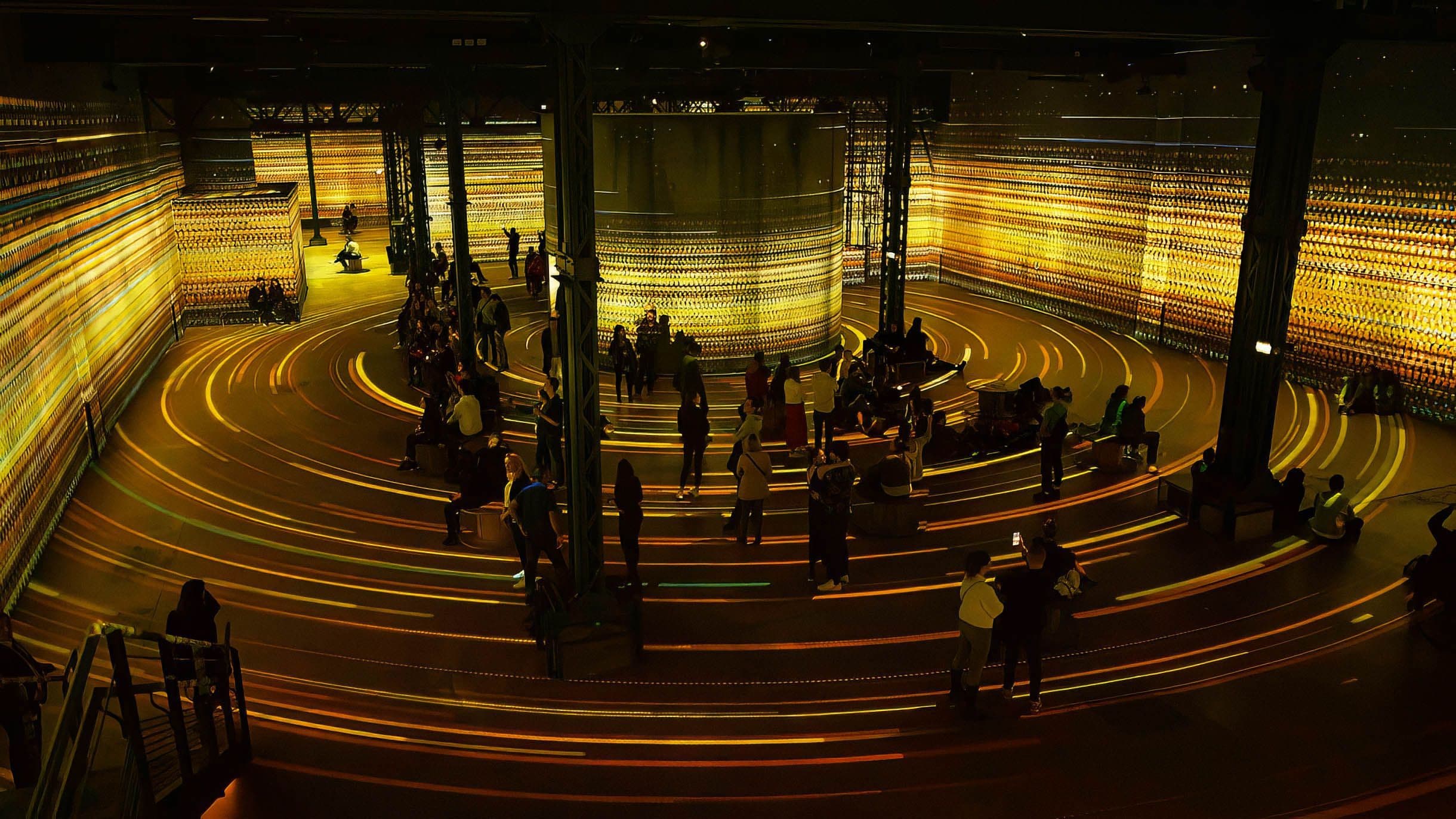
I have walked into visually extraordinary installations that left me feeling almost nothing.
The images were beautiful. The technology was sophisticated. The scale was impressive. Yet something did not hold together.
Often, the problem was not what I could see. It was what I could hear.
Sound is frequently treated as a secondary part of an experience. Visual concepts are developed first. Screens, lighting, projection and architecture take shape. Budgets are allocated. Technical systems are chosen.
Then someone asks what the soundtrack should be.
By that stage, sound is being asked to support decisions that have already been made. It becomes an addition rather than part of the work itself.
Sound is not a layer placed over an experience. It helps create the experience from the beginning.
We feel a space through sound
Sound changes how we understand where we are.
It can make a large room feel intimate or a small room feel endless. It can draw attention towards something we cannot yet see. It can create distance, closeness, tension or calm without changing anything physical in the space.
People often respond to these changes without consciously identifying them.
A distant sound may encourage someone to move towards it. A shift in rhythm can signal that something is about to happen. Silence can make a room feel still, exposed or full of possibility.
Sound also connects different parts of an experience. It can carry an idea from one space into another, prepare people for a change in atmosphere or allow a moment to settle before the next one begins.
When it has been carefully composed, sound gives structure to time and space.
Where good projects quietly fail
Poor sound does not always announce itself as the problem.
People may not leave an installation saying that the mix was unbalanced or the speakers were badly positioned. They simply feel less present. Their attention wanders. The experience feels flatter than it should.
A short piece of music repeated too often quickly becomes noticeable. Dialogue competing with ambient sound becomes tiring. Excessive volume can overwhelm the work, while weak or uneven sound can make an ambitious environment feel strangely empty.
The acoustics of the space matter too. A sound system that works well in one location may become harsh, muddy or indistinct in another.
These are not minor technical details. They affect how people physically experience the work.
Silence can be far more powerful than sound added without purpose. It creates room for attention and allows contrast. It gives people time to notice their own presence within a space.
The question should never be how to fill the silence. It should be whether the experience needs sound at that moment at all.
When listening becomes the experience
DARKFIELD demonstrates how completely sound can shape an imagined world.
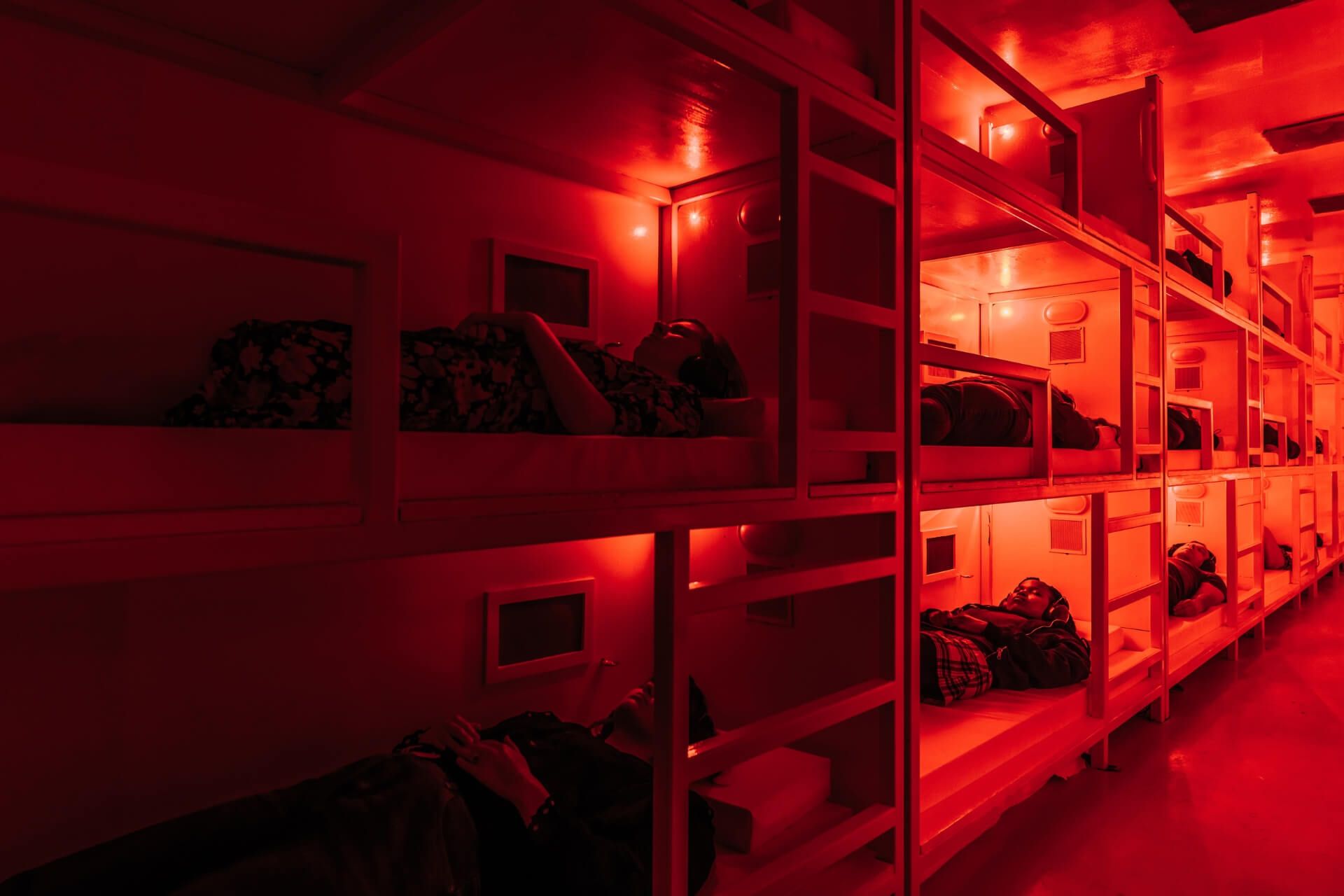
Its productions take place inside shipping containers, often in total darkness, with audiences listening through binaural headphones. With little or no visual information, sound creates the location, movement and tension.
A voice appears close to one ear. Something seems to move behind you. The physical space has not changed, but your understanding of it has.
Listening becomes the way the audience enters the work.
Dreamachine creates a very different experience. Participants sit with their eyes closed while light and spatial sound work together. The imagery is not projected onto a wall. It is experienced internally, created through each person’s own perception.
In both cases, sound is not accompanying a visual experience. It is helping construct the experience itself.
These works are powerful reminders that immersion does not depend on surrounding people with images. Sometimes removing external imagery allows listening to take on a much greater role.
Sound needs authorship
Composers and sound designers do more than select music or install speakers.
They shape emotional rhythm, spatial relationships and the passage of time. They decide where sound comes from, how it moves and when it should disappear. Their choices influence how audiences navigate a space and how long a moment is allowed to remain.
When they join a project late, their work becomes reactive. They are asked to solve problems created by decisions made elsewhere.
When they are part of the early conversation, sound can influence the work’s structure rather than simply adapt to it.
This does not mean every experience needs an elaborate score or complex spatial audio system. Some need only a single sound. Others need silence.
What matters is that the decision has been made with care.
People may arrive because of what they have seen in an image or video, but what remains with them is often harder to identify. A feeling of tension. A moment of stillness. The sense that something moved beside them in the dark.
They may not remember exactly what they heard.
They remember how the space felt because of it.